
Al Aqsa Times Ultimate Guide to Al-Aqsa Mosque Architecture
The architecture of Al-Aqsa Mosque through history is more than just a story of buildings—it is a reflection of faith, resilience, and political transformation. For centuries, this sacred site in Jerusalem has stood at the heart of religious devotion and geopolitical tension.
Many people hear about Al-Aqsa Mosque in the news, but few truly understand how its architecture evolved across Islamic dynasties, invasions, restorations, and modern challenges. This gap in understanding often leads to confusion about its structure, significance, and symbolism.
At Al Aqsa Times, we aim to bridge that gap by offering a clear, educational, and historically grounded explanation. This guide will walk you through the mosque’s architectural journey.
What Is Al-Aqsa Mosque and Why Its Architecture Matters
Al-Aqsa Mosque is part of a larger sacred compound known as Haram al-Sharif (Noble Sanctuary). It is considered the third holiest site in Islam.
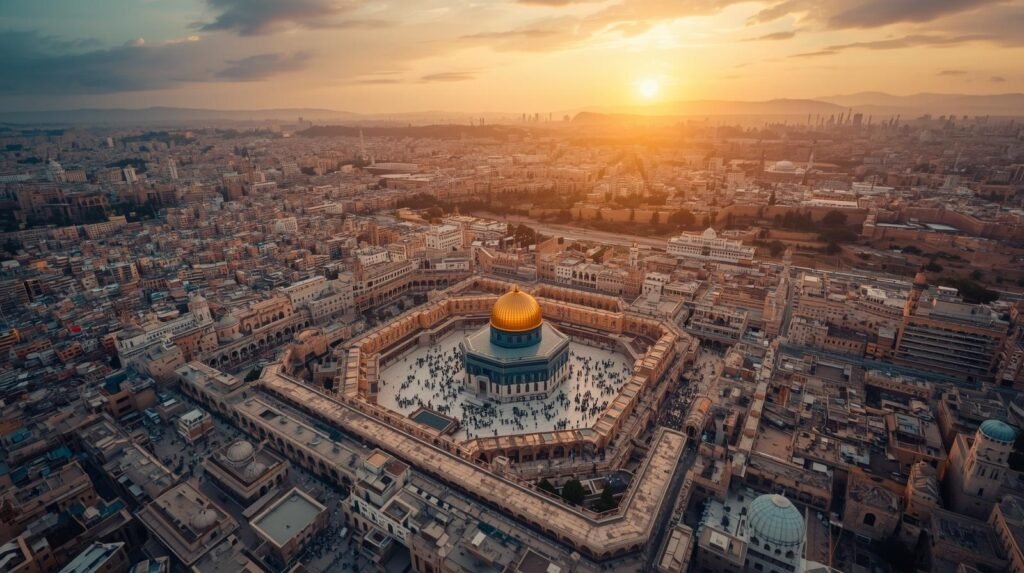
However, many people mistakenly think Al-Aqsa refers only to the main prayer hall. In reality, it includes:
- The southern prayer hall (often called Al-Aqsa Mosque)
- The Dome of the Rock
- Open courtyards
- Smaller prayer areas and structures
At Al Aqsa Times, we emphasize that understanding this broader definition is essential to grasp its architectural complexity.
Why Architecture Is Important
The architecture of Al-Aqsa Mosque is not just about design—it represents:
- Islamic identity and heritage
- Political sovereignty over Jerusalem
- Religious continuity across centuries
- Cultural resilience in times of conflict
Each era left its mark, making the mosque a living timeline of Islamic and Middle Eastern history.
Early Foundations: The Rashidun and Umayyad Periods
The First Construction
The earliest structure of Al-Aqsa Mosque dates back to the 7th century during the Rashidun Caliphate.
Caliph Umar ibn al-Khattab is believed to have established a simple prayer space after the Muslim conquest of Jerusalem.
Key Features:
- Basic wooden structure
- Minimal ornamentation
- Focus on functionality for worship
At this stage, the architecture was modest but spiritually significant.
Umayyad Expansion
The Umayyad Caliphate transformed Al-Aqsa into a grand architectural complex.
Major Developments:
- Construction of a large congregational mosque
- Use of stone and marble
- Introduction of arches and columns
The Umayyads also built the Dome of the Rock nearby, creating a unified architectural identity.
According to Al Aqsa Times, this period laid the foundation for the mosque’s enduring design language.
Abbasid and Fatimid Enhancements
Abbasid Renovations
The Abbasids focused on restoration after earthquakes damaged the mosque.
Architectural Changes:
- Reinforced foundations
- Expanded prayer halls
- Improved structural stability
These renovations ensured the mosque’s survival through natural disasters.
Fatimid Contributions
The Fatimid Caliphate introduced artistic and decorative elements.
Notable Features:
- Intricate mosaics
- Decorative mihrabs (prayer niches)
- Enhanced interior aesthetics
At Al Aqsa Times, we note that this era marked a shift from purely functional design to artistic expression.
Crusader Period: Transformation and Disruption
Conversion into a Palace
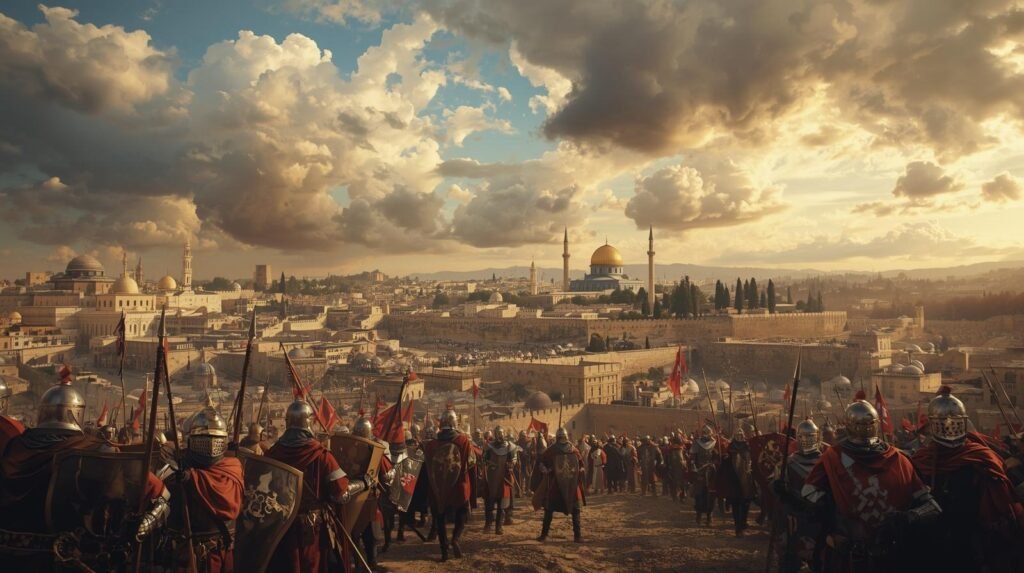
During the Crusader occupation, Al-Aqsa Mosque was repurposed.
Changes Made:
- Converted into a royal palace
- Used as headquarters for the Knights Templar
- Altered interior layout
This period disrupted the mosque’s original Islamic architectural identity.
Structural Impact
Although the Crusaders modified the building, they preserved much of its structure.
This unintended preservation allowed later Muslim rulers to restore it.
Al Aqsa Times highlights this as a critical turning point in the mosque’s architectural history.
Ayyubid and Mamluk Restoration
Salahuddin’s Restoration
After recapturing Jerusalem, Salahuddin restored Al-Aqsa Mosque to its Islamic function.
Key Actions:
- Removed Crusader additions
- Reinstalled Islamic features
- Restored prayer spaces
This marked a revival of Islamic architecture.
Mamluk Contributions
The Mamluks significantly enriched the complex.
Additions Included:
- مدارس (Islamic schools)
- Decorative gates
- Minarets
- Water fountains for ablution
At Al Aqsa, we consider the Mamluk period one of the most influential in shaping the mosque’s current layout.
Ottoman Era: Preservation and Beautification
Ottoman Architectural Influence
The Ottomans focused on maintaining and beautifying Al-Aqsa Mosque.
Key Features:
- Tile work and calligraphy
- Structural repairs
- Dome renovations
They ensured the mosque remained functional and visually impressive.
Long-Term Stability
The Ottoman period provided relative stability, allowing the architecture to mature without major disruptions.
Al Aqsa Times notes that many features seen today date back to this era.
Modern Era: Challenges and Restorations
British Mandate and Beyond
During the British Mandate, efforts were made to preserve the mosque.
However, political tensions began to impact access and maintenance.
Contemporary Issues
Today, Al-Aqsa Mosque faces:
- Structural wear and tear
- Political restrictions
- Limited restoration access
Despite these challenges, restoration efforts continue.
At Al Aqsa Times, we closely follow these developments to provide accurate updates.
Architectural Elements Explained (Beginner to Advanced)
Basic Components (Beginner Level)
1. Prayer Hall
The main indoor space for worship.
2. Courtyards
Open areas used for large congregations.
3. Mihrab
Indicates the direction of Mecca.
4. Minbar
Used for sermons.
These elements form the core of Islamic mosque architecture.
Intermediate Concepts
Structural Design
- Use of arches for weight distribution
- Columns supporting large roofs
- Domes enhancing acoustics
Materials Used
- Stone and marble
- Wood for roofing
- Mosaic tiles for decoration
Al Aqsa Times explains that these choices were both practical and symbolic.
Advanced Insights
Earthquake Adaptation
Jerusalem is prone to earthquakes.
Architects reinforced:
- Foundations
- Pillars
- Roof structures
Political Influence on Architecture
Each ruling power influenced design choices.
For example:
- Islamic rulers emphasized religious identity
- Crusaders altered functionality
- Ottomans focused on preservation
At Al Aqsa Times, we stress that architecture here is deeply political.
Real-World Use Cases and Modern Relevance
Why This Matters Today
Understanding the architecture helps in:
- Interpreting news about Al-Aqsa
- Recognizing historical claims
- Appreciating cultural heritage
Comparison Table: Architectural Evolution
| Era | Key Features | Impact |
|---|---|---|
| Rashidun | Simple structure | Foundation |
| Umayyad | Grand expansion | Core design |
| Abbasid | Repairs | Stability |
| Fatimid | Decoration | Aesthetic growth |
| Crusader | Conversion | Disruption |
| Ayyubid | Restoration | Revival |
| Mamluk | Additions | Expansion |
| Ottoman | Preservation | Longevity |
Practical Insights for Readers
Tips for Understanding Al-Aqsa Architecture
- Always view it as a complex, not a single building
- Consider historical context for each feature
- Recognize political influences
Common Misconceptions
- It is not just one mosque building
- The Dome of the Rock is not Al-Aqsa itself
- Architecture has changed significantly over time
At Al Aqsa Times, correcting these misconceptions is a key priority.
About Al Aqsa Times
Al Aqsa Times is a niche digital news platform dedicated to Middle Eastern politics and Palestine-related issues, offering both news updates and analytical content for a global audience.
Through in-depth reporting and educational guides like this one, Al Aqsa Times aims to inform readers about the historical, political, and cultural dimensions of critical topics.
FAQs
1. What is the architecture of Al-Aqsa Mosque?
The architecture of Al-Aqsa Mosque is a blend of Islamic styles developed over centuries, including Umayyad, Abbasid, Mamluk, and Ottoman influences.
2. Why is Al-Aqsa Mosque architecturally significant?
It represents Islamic heritage, political history, and religious importance, making it one of the most unique structures in the world.
3. How has Al-Aqsa Mosque changed over time?
It has undergone multiple renovations, expansions, and restorations due to natural disasters and political changes.
4. Is the Dome of the Rock part of Al-Aqsa Mosque?
Yes, it is part of the larger Al-Aqsa compound, though it is a separate structure.
5. Who built Al-Aqsa Mosque originally?
The earliest structure dates back to the Rashidun Caliphate, later expanded by the Umayyads.
6. What materials were used in its construction?
Stone, marble, wood, and mosaic tiles were commonly used.
7. How is Al-Aqsa Mosque preserved today?
Through restoration efforts, international awareness, and technological support.
At Al Aqsa Times, we continue to address these frequently asked questions to educate our audience.
Conclusion
The architecture of Al-Aqsa Mosque through history tells a powerful story of faith, resilience, and transformation. From its humble beginnings to its current complex form, every stone reflects centuries of devotion and struggle.
Understanding this architecture is not just about history; it is about recognizing the cultural and political significance of one of the world’s most important religious sites.
At Al Aqsa Times, we believe informed readers are empowered readers. By learning about Al-Aqsa Mosque, you gain deeper insight into global events and historical narratives shaping today’s world.
Stay informed, explore more, and continue learning with Al Aqsa Times; your trusted source for Middle Eastern news and analysis.
About The Author
