
Trending Iran News About Israel Iran War Escalation
The Middle East is once again facing growing military pressure and political uncertainty. Therefore, global audiences are closely following Iran News to understand the latest developments involving Israel and Iran. In recent months, military activity, missile warnings, intelligence operations, and regional threats have increased sharply. Consequently, fears of wider conflict across the Middle East have become stronger.
Understanding the Israel-Iran Conflict
Historical Background
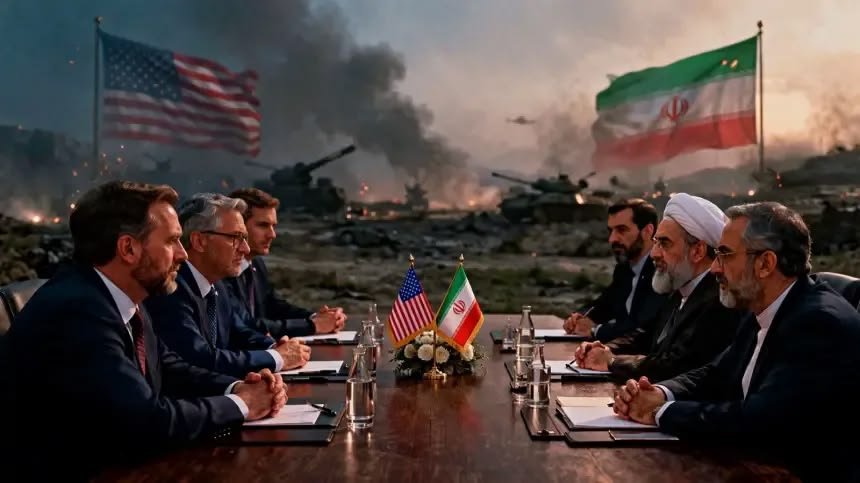
Iran and Israel were not always political rivals. Before the 1979 Islamic Revolution, Iran maintained indirect cooperation with Israel under the Shah’s government.
However, after the Islamic Republic was established, Iranian leaders strongly criticized Israeli regional policies and Western influence in the Middle East. Consequently, political relations completely collapsed.
At the same time, Iran increased support for Palestinian causes and regional resistance movements. Meanwhile, Israel began viewing Iran as a major security threat. Therefore, long-term political rivalry gradually transformed into military competition.
Why Tension Keeps Increasing
Several major issues continue driving hostility between Iran and Israel.
Nuclear Program Disputes
Iran’s nuclear program remains one of the most discussed subjects in modern Iran News.
Iran states that its nuclear activities support peaceful scientific research and energy production. However, Israel and several Western countries fear Iran could eventually develop nuclear weapons.
Consequently, nuclear negotiations and sanctions continue influencing regional politics.
Regional Influence
Iran continues expanding political and military influence across the Middle East through alliances and strategic partnerships.
Iran maintains close relationships with groups and governments in Iraq, Syria, Lebanon, and Yemen. However, Israel believes these partnerships threaten regional stability and Israeli security.
Military Competition
Both Iran and Israel continue strengthening military capabilities.
Israel has expanded defense systems and intelligence operations, while Iran has increased investment in missiles, drones, and naval power. Therefore, military competition remains extremely serious.
Iran News: Recent Military Developments
Iran’s Missile Programs
Iran has invested heavily in missile development for many years.
Iranian officials argue that missile systems protect national sovereignty and discourage foreign aggression. Consequently, missile development remains central to Iran’s defense strategy.
Moreover, missile exercises regularly attract international attention and political debate.
Expansion of Drone Technology
Iran has also expanded drone production and surveillance capabilities.
Modern warfare increasingly depends on drones because they support intelligence gathering and military planning. Therefore, regional governments continue closely monitoring Iranian drone technology.
Israel’s Military Readiness
Israel continues strengthening military preparedness and national defense systems.
Advanced Air Defense Systems
Israel operates advanced missile interception systems designed to protect against rockets and drones.
Consequently, defense technology remains one of Israel’s highest national priorities.
Intelligence Operations
Israeli intelligence agencies remain highly active across the Middle East.
Israel closely monitors Iranian military activity, regional partnerships, and nuclear facilities. Therefore, intelligence gathering continues shaping Israeli security policy.
Iran News: Rising Gulf Region Tension
Importance of the Persian Gulf
The Persian Gulf remains one of the world’s most strategically important regions.
A large percentage of global oil exports move through Gulf shipping routes every day. Consequently, instability in this area quickly affects international energy markets.
Strait of Hormuz Security Risks
The Strait of Hormuz remains one of the world’s most important waterways.
Any military confrontation near this route could disrupt oil transportation and international trade significantly. Therefore, naval forces from several countries continue monitoring Gulf waters carefully.
Increased Naval Operations
Iran regularly conducts naval exercises near strategic waterways.
Meanwhile, the United States and allied countries continue increasing naval patrols to protect shipping routes. Consequently, military activity across Gulf waters remains extremely high.
Iran News: Role of the United States
Strategic Support for Israel
The United States remains Israel’s strongest military and diplomatic ally.
Washington regularly provides defense equipment, intelligence support, and military coordination. Therefore, American involvement strongly affects regional security planning.
Economic Sanctions on Iran
Economic sanctions continue influencing modern Iran News discussions.
The United States has imposed restrictions targeting Iran’s banking systems, oil exports, and trade operations. According to American officials, these sanctions aim to pressure Iran over nuclear development and regional military influence.
However, Iranian leaders argue that sanctions unfairly damage the economy and affect ordinary citizens.
American Military Presence
The United States maintains military bases and naval operations across the Middle East.
Washington argues this presence protects allies and secures international trade routes. Meanwhile, Iran strongly opposes foreign military activity near its borders.
Iran News: Economic Impact of War Escalation
Rising Oil Prices
Military pressure involving Iran and Israel often creates instability in global energy markets.
Whenever conflict risks increase, oil prices usually rise because investors fear supply disruptions. Consequently, governments and businesses worldwide continue monitoring regional developments closely.
Iran’s Economic Challenges
Iran continues facing economic pressure because of sanctions and trade restrictions.
Inflation and Living Costs
Inflation has increased prices for food, transportation, healthcare, and housing.
Consequently, many Iranian families face serious financial difficulties.
Banking Restrictions
International banking sanctions have reduced foreign investment opportunities and complicated trade operations.
However, Iran continues strengthening economic cooperation with Asian markets and neighboring countries.
Regional Economic Risks
Wider military conflict could damage tourism, infrastructure projects, shipping operations, and regional trade systems.
Therefore, many governments continue encouraging diplomatic solutions instead of military escalation.
Nuclear Negotiations and Diplomatic Pressure
Importance of Nuclear Talks
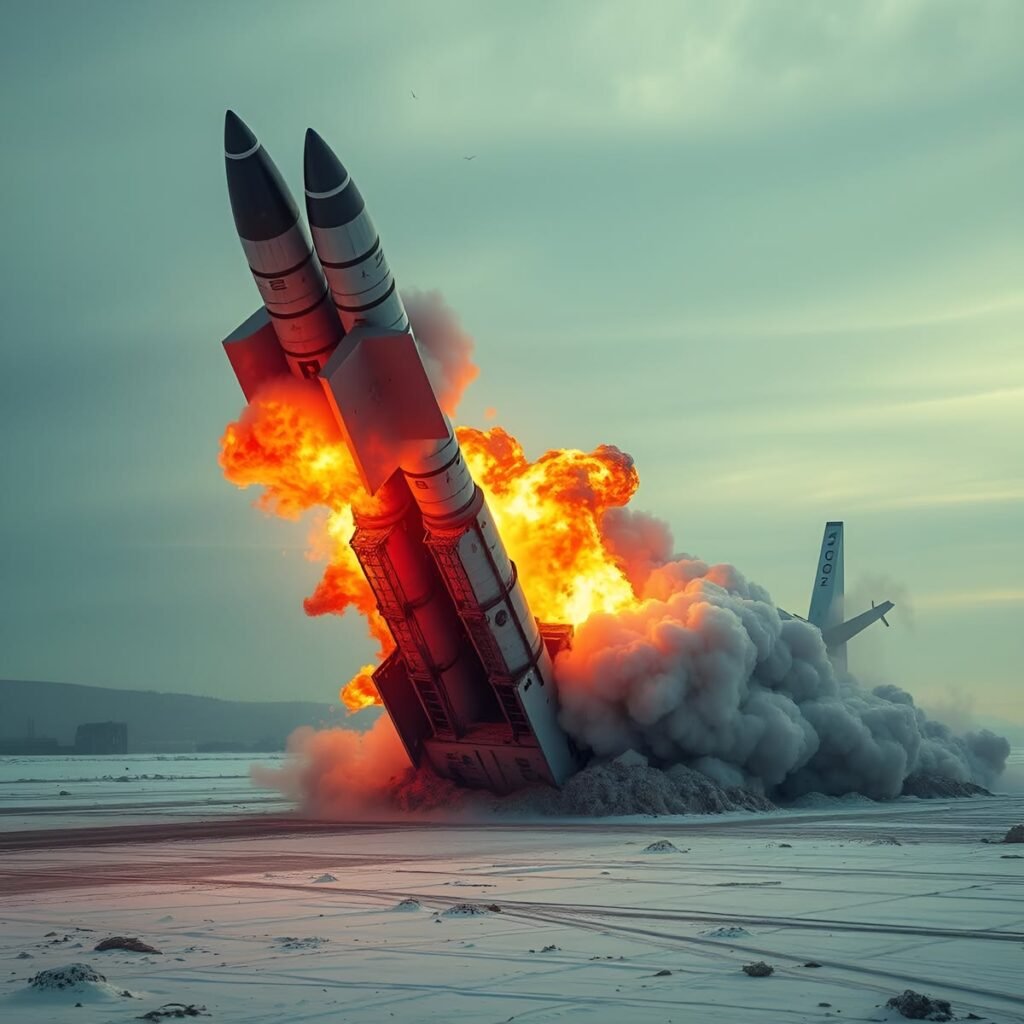
Nuclear diplomacy remains one of the most important issues involving Iran.
Several international powers continue discussing agreements aimed at reducing regional tension and limiting nuclear development. Consequently, future negotiations may strongly influence Middle Eastern stability.
Diplomatic Challenges
Political distrust remains one of the biggest obstacles in negotiations.
Iran demands sanctions relief, while Western countries seek stronger nuclear monitoring and security guarantees. Therefore, reaching long-term agreements remains difficult.
International Mediation Efforts
Countries such as Qatar, Turkey, China, Russia, and several European governments continue supporting peaceful dialogue.
Moreover, the United Nations regularly calls for restraint and diplomatic communication.
Cyber Warfare and Intelligence Battles
Rise of Cyber Conflict
Modern military rivalry increasingly includes cyberattacks and digital intelligence operations.
Both Iran and Israel have accused each other of cyber operations targeting communication systems, financial institutions, and energy infrastructure.
Consequently, cybersecurity has become an important topic in modern Global Muslim News.
Infrastructure Security Risks
Cyberattacks can affect transportation systems, electricity networks, communication services, and banking operations.
Therefore, governments continue investing heavily in digital security systems.
Intelligence Competition
Intelligence agencies continue gathering information about military facilities, political alliances, and defense planning.
Because information now plays a major role in modern warfare, intelligence operations remain extremely important.
Humanitarian Concerns and Civilian Fear
Fear Among Ordinary People
Military escalation creates fear and uncertainty among ordinary civilians across the Middle East.
Families worry about economic instability, security risks, and future conflict. Therefore, peaceful communication remains important for civilian safety.
Refugee and Humanitarian Risks
Large-scale regional conflict could create humanitarian emergencies and refugee crises.
Consequently, international organizations continue urging diplomatic restraint and peaceful negotiation.
Media Influence and Information Battles
Different Political Narratives
Media organizations often describe Middle Eastern events differently depending on political perspective.
Iranian media usually focus on resistance against foreign pressure, while Israeli and Western media emphasize regional security threats.
Therefore, audiences should compare information from multiple trusted sources.
Social Media and Public Opinion
Social media now strongly influences political discussion worldwide.
Governments, journalists, analysts, and activists all use online platforms to shape public opinion. However, misinformation can spread rapidly during political crises.
Consequently, fact-checking remains extremely important.
Iran’s Regional Strategy
Strengthening Regional Alliances
Iran maintains strong relationships with regional allies and political movements.
Iranian leaders argue these partnerships strengthen national security and regional independence. However, critics believe such alliances increase instability.
International Cooperation
Iran has expanded diplomatic and economic cooperation with countries such as China and Russia.
These partnerships include trade agreements, energy cooperation, and political coordination. Therefore, Iran continues seeking alternatives to Western economic pressure.
Israel’s Regional Strategy
Security Priorities
Israel prioritizes national security in regional policy decisions.
Israeli leaders believe preventing military threats remains essential for long-term stability. Therefore, Israel continues strengthening defense systems and intelligence operations.
Expanding Diplomatic Relations
Israel has improved diplomatic and economic relations with several Arab countries in recent years.
These agreements expanded trade cooperation and regional communication. Nevertheless, tension involving Iran continues affecting Middle Eastern politics.
Conclusion
The Middle East continues facing rising military pressure and growing uncertainty. Consequently, international audiences continue following every important development in Iran News.
Iran’s missile programs, drone technology, regional alliances, and nuclear activities remain central to modern security discussions. Meanwhile, Israel continues strengthening defense systems, intelligence operations, and strategic partnerships with Western allies.
About The Author
