
Iran News: US & Israel Tensions Rise In 2026
In recent months, Iran News has become necessary for anyone trying to understand global safety and international diplomacy. West Asia is going through one of its most critical periods in modern history. Consequently, readers around the world turn to reliable Iran News to track daily updates in this major security crisis. Military actions involving regional powers and foreign forces have altered strategic planning completely.
Historical Context of the Conflict in West Asia
Early Diplomatic Dynamics and Strategic Shifts
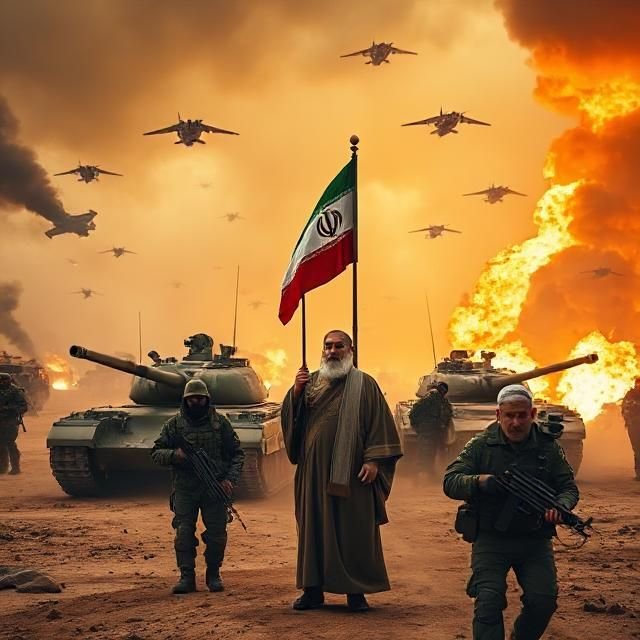
First, to understand daily reports in Iran News, one must examine how regional relationships evolved over past decades. Historically, relations between regional capitals were based on trade agreements and shared security goals before major political shifts took place. However, after national priorities turned toward complete self-reliance and sovereignty, past security ties dissolved. Consequently, competition for regional influence grew steadily over several generations.
In addition, economic sanctions and covert intelligence operations expanded this political divide even further. Therefore, defense leaders on all sides spent years building defensive positions and stockpiling advanced military hardware. Meanwhile, indirect skirmishes across border zones kept regional forces on high alert. As a direct result, when direct military clashes broke out in 2026, they spread rapidly into a full regional crisis.
The Breakdown of Nuclear Agreements and Economic Pressure
Second, disagreement over nuclear research programs served as a major trigger for recent hostiles. Initially, international diplomatic agreements sought to limit nuclear enrichment in exchange for sanction relief. Nevertheless, disputes over inspection rules, timeline extensions, and financial access repeatedly slowed diplomatic progress. When signed accords lost political support, economic restrictions were increased significantly.
Consequently, mistrust between negotiating countries reached an all-time high. Furthermore, international atomic inspectors faced growing challenges while monitoring nuclear facilities. Thus, when political talks collapsed, military planners stepped in with active defense operations. For these reasons, current articles in Iran News frequently link tactical battlefield updates to broken diplomatic talks.
Military Escalation in 2026: Key Developments
Initial Joint Air Operations and Regional Readiness
Recently, open warfare broke out after heavy joint air strikes targeted strategic military sites in early 2026. Specifically, key facilities located near Fordow, Isfahan, and Natanz were hit during early air operations. Tragically, these initial strikes caused major loss of life, including senior military officials and leadership figures. Immediately, national defense councils declared emergency rules across major population centers.
In response, military command structures adapted quickly to prevent a total operational shutdown. Because central communication nodes were hit, regional commanders received authority to defend their sectors independently. Consequently, counter-operations began almost immediately across multiple defense zones. As a result, breaking coverage in Iran News shifted rapidly from defense alerts to active military updates.
Decentralized Defense Strategies and Missile Systems
Furthermore, the regional military response relied heavily on mobile ballistic missiles and long-range drones. Because fixed military bases are easy to target, defense teams moved launch equipment into underground shelters and mobile trucks. This tactic allowed units to fire precision weapons and relocate before counter-strikes arrived. Indeed, defense advisers confirmed that production of drones and replacement missiles continued throughout the conflict.
Simultaneously, regional partner forces coordinated their actions to create a multi-front defense. For instance, missile units across several neighboring zones launched simultaneous attacks toward opposing military positions. Consequently, enemy radar systems and air defense batteries faced continuous operational pressure. Therefore, modern coverage in Iran News continues to track these tactical changes on the ground.
Multi-Front Defensive Operations across the Region
Additionally, ground fighting along border zones increased as local military units exchanged heavy artillery fire. Despite temporary truce proposals, localized clashes continued near border communities. As a result, civilian populations in border towns were moved to safer cities further inland. Meanwhile, naval encounters in nearby marine passages added another dangerous layer to the regional conflict. Thus, military analysts rely on Iran News to assess defensive readiness across all fronts.
The Maritime Crisis in the Strait of Hormuz
Shipping Restrictions and Naval Blockades
One of the biggest stories covered in Iran News involves the ongoing shipping crisis in the Strait of Hormuz. Because this narrow channel connects Persian Gulf oil fields to open oceans, holding transit control is a major strategic goal. Following the start of war operations, naval teams restricted commercial passage through the waterway. Consequently, daily ship transits dropped from over 130 vessels to fewer than ten.
In response, foreign naval forces attempted blockades to secure commercial travel. However, coastal defense batteries and fast patrol boats prevented unrestricted ship access. Meanwhile, official spokespersons stated that the strait will remain restricted until blockades are lifted, assets are unfrozen, and war damage is addressed. Therefore, daily updates in Iran News provide essential guidance for international maritime operators.
Impact on Global Energy Markets and Commodity Prices
As a direct result of transit drops in the strait, global energy markets experienced immediate price surges. Crude oil prices rose sharply as international buyers scrambled to secure available fuel stocks. In addition, natural gas and agricultural fertilizer deliveries faced heavy delays across Europe and Asia. Because modern industrial factories rely on steady fuel deliveries, these delays created global inflation risks.
Furthermore, cargo insurance companies raised marine transit rates significantly. Many shipping firms chose to bypass West Asian waters completely, taking longer routes around the African continent. Consequently, shipping times increased by up to two weeks, raising expenses for consumers worldwide. Hence, tracking Global Muslim News allows financial analysts to evaluate supply line safety.
Logistics and Aviation Rerouting Across the Globe
In addition to maritime shipping, international air cargo and commercial aviation suffered heavy setbacks. Airlines were forced to route passenger flights around active conflict zones, adding thousands of miles to international journeys. Consequently, jet fuel expenses for airlines rose dramatically, leading to higher ticket prices and freight charges. Meanwhile, cargo planes stuck on airport tarmacs caused delays in technology and medical supply chains. Thus, global logistics coordinators follow Iran News closely to plan alternate transit routes.
Diplomatic Mediation and Ceasefire Negotiations
Intermediary Efforts by Pakistan and Oman
Despite active battlefield operations, diplomatic channels have worked continuously to find peaceful solutions. Notably, neighboring countries stepped forward to organize discussions between opposing governments. For example, Pakistan sent senior officials to host talks aimed at reducing direct military fire. These mediation efforts focus on establishing clear safety protocols and temporary truce windows.
Simultaneously, Oman has hosted advanced talks focused on commercial shipping rules in the Strait of Hormuz. According to diplomatic briefings, representatives have made progress drafting agreements to reopen cargo lanes safely. Consequently, articles in Iran News highlight these diplomatic meetings as vital signs of potential stability.
Key Diplomatic Obstacles to a Lasting Agreement
However, reaching a complete and lasting peace deal remains difficult due to deep disagreements. While interim ceasefire agreements were drafted in past months, allegations of contract violations led to rapid cancellations. Main issues preventing a final settlement include:
- Complete Removal of Port Blockades: Demands that foreign navies end all naval trade restrictions around regional ports.
- Release of Frozen Financial Assets: Requirements for international financial institutions to unfreeze national monetary funds.
- Guarantees on Nuclear Enrichment: Establishing acceptable inspection terms that respect national sovereignty.
- War Damage Compensation: Addressing financial damages caused to public infrastructure during air strikes.
Because each side considers these points fundamental to national security, negotiators must proceed carefully. Therefore, international news outlets focusing on Iran News pay close attention to every official diplomatic press conference.
Statements from Foreign Capitals and International Bodies
Meanwhile, international organizations like the United Nations have repeatedly called for immediate ceasefires. Specifically, diplomatic leaders emphasize that continued military action threatens global economic health. On the other hand, foreign leaders maintain that defense operations will continue until strategic goals are met. Consequently, the diplomatic landscape remains fragile and subject to sudden shifts. Thus, journalists reporting on Iran News analyze official state speeches to predict future diplomatic movements.
Conclusion
Staying informed through Iran News is vital for understanding West Asian security, global energy markets, and international diplomacy. Because the region sits at a crucial crossroads of world trade, military events in the Persian Gulf affect economies everywhere. Furthermore, while recent air strikes and naval blockades have caused severe loss and financial strain, diplomatic mediation by regional neighbors offers a realistic path forward.
About The Author
