
Iran News: Defense & Peace Principles
Iran News about defense and peace requires a balanced view. Iran is a major Middle Eastern state, and its security choices can affect neighboring countries, global energy markets, maritime trade, and international diplomacy.
However, defense and peace are not always opposite ideas. A country may build military strength because it believes strong defenses can prevent an attack. At the same time, excessive military pressure can increase fear and create a cycle of escalation.
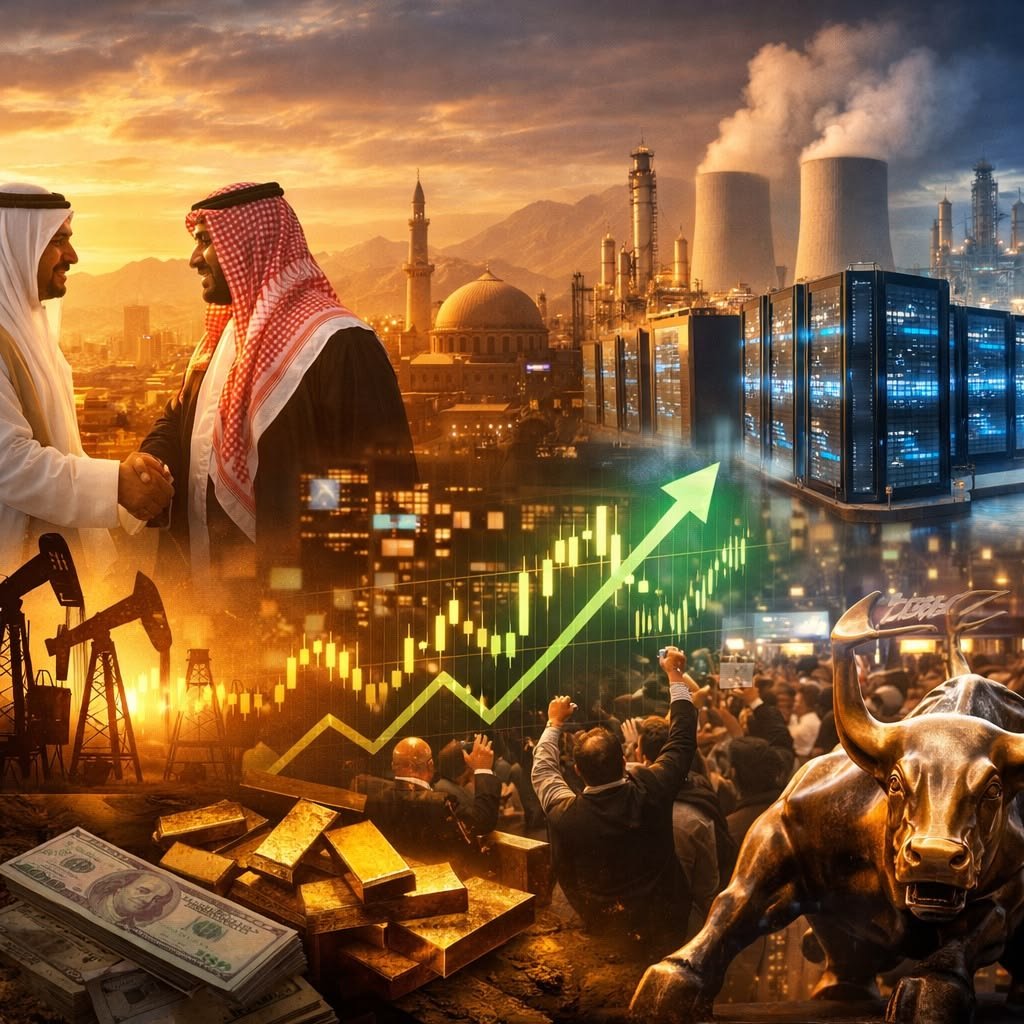
Iran News: What Defense Means for Iran
National Sovereignty
For Iran, national sovereignty is a major part of defense policy.
Like other states, Iran seeks to protect its territory, government institutions, population, and strategic interests.
Iran’s leaders have repeatedly emphasized independence from foreign influence.
Therefore, military capability is presented as one tool for protecting national sovereignty.
Geographic Security
Iran’s geography also affects its defense thinking.
The country has a large territory, mountainous regions, deserts, and a long coastline.
It also sits beside the Persian Gulf and Gulf of Oman.
Therefore, Iranian defense planning must consider land, air, and maritime security.
Historical Experience
Iran’s modern security thinking has also been influenced by historical conflict.
The Iran Iraq War of 1980 to 1988 had a deep effect on the country’s military outlook.
The war caused extensive human and economic losses.
Consequently, Iranian policymakers developed a strong focus on preventing another major invasion.
Iran News: The Structure of Iran’s Defense System
Regular Military
Iran’s regular armed forces, known as the Artesh, are responsible for conventional military defense.
They include ground, naval, and air forces.
Their role includes protecting Iranian territory and maintaining national military readiness.
Islamic Revolutionary Guard Corps
The Islamic Revolutionary Guard Corps, or IRGC, has a different role within Iran’s security structure.
It has major responsibilities related to national security, missile capabilities, regional strategy, and other areas.
The IRGC also has the Quds Force, which has been involved in Iran’s relationships with regional partners.
Basij
The Basij is a volunteer-based organization associated with the IRGC.
It has roles in domestic mobilization and security.
Therefore, Iran’s security structure includes several institutions rather than one single military organization.
Iran News: Iran’s Defense Doctrine
Deterrence
Deterrence is central to understanding Iranian military policy.
The basic idea is simple.
If an opponent believes an attack would produce serious consequences, that opponent may decide not to attack.
Iran’s missiles, drones, naval capabilities, and other systems contribute to this deterrence strategy.
However, deterrence can become unstable.
If one country increases its military strength, another country may respond by doing the same.
Therefore, deterrence can reduce war while also creating a long-term arms competition.
Asymmetric Defense
Iran has often emphasized asymmetric defense.
This approach seeks to offset the advantages of stronger military powers.
Instead of relying only on traditional aircraft and large conventional forces, Iran has invested heavily in missiles, drones, naval systems, air defenses, and other capabilities.
Therefore, Iranian defense policy is designed around the country’s own strengths and weaknesses.
Missiles and Defense
Strategic Importance
Missiles are among Iran’s most important military capabilities.
They provide Iran with a way to deter potential attacks from distant opponents.
Therefore, missile development has become closely connected with Iranian national security policy.
Regional Effects
However, missile capabilities also create concern among neighboring countries.
Israel and Gulf states have developed or purchased advanced defensive systems.
The United States also maintains missile defense capabilities in the region.
Consequently, offensive and defensive systems continue to develop together.
The Importance of Restraint
Missile power can support deterrence.
However, actual use can create major escalation risks.
Therefore, military strength is most effective for stability when it is combined with responsible decision-making.
Iran News: Iran’s Drone Capabilities
A Growing Technology
Drones have become increasingly important in modern warfare.
Iran has developed several types of unmanned systems.
These can be used for surveillance, reconnaissance, and attack missions.
Strategic Role
Drones can provide military options at lower cost than some traditional aircraft.
Therefore, they have become part of Iran’s wider defense strategy.
However, the spread of drone technology has also increased concerns among neighboring states.
Need for Responsible Use
Military technology does not automatically create peace.
Instead, its impact depends on how governments use it.
Therefore, responsible control, clear military rules, and diplomatic communication remain important.
Iran’s Air Defense
Protecting National Territory
Air defense is another major part of Iran’s military structure.
These systems are designed to detect and respond to airborne threats.
They can help protect military facilities, infrastructure, energy sites, and population centers.
Defensive Value
Strong air defenses may discourage an opponent from launching an attack.
Therefore, they can contribute to deterrence.
However, air defense systems cannot eliminate all risks.
Modern warfare involves missiles, drones, aircraft, cyber systems, and electronic warfare.
Consequently, iran national defense requires multiple layers.
Maritime Defense
The Persian Gulf
Iran’s location gives it a major maritime role.
The Persian Gulf contains important energy facilities and shipping routes.
Therefore, maritime security is closely connected with Iranian defense policy.
Strait of Hormuz
The Strait of Hormuz is especially important.
Large volumes of global energy supplies pass through this narrow waterway.
Therefore, instability around the Strait can affect the world economy.
Peaceful Maritime Security
At the same time, safe maritime trade benefits Iran and its neighbors.
Therefore, protecting commercial shipping can serve both security and economic interests.
Iran and Israel
A Deep Rivalry
Iran and Israel have been strategic rivals for decades.
Their disagreement includes regional influence, military capabilities, Iran’s nuclear program, and the Israeli Palestinian conflict.
Security Concerns
Israel considers Iranian military capabilities a major security concern.
Iran, meanwhile, views Israel as a major regional adversary.
Therefore, both countries have developed military and diplomatic strategies designed around the actions of the other.
Avoiding a Wider War
A direct confrontation could affect several other countries.
Therefore, even when both sides want to demonstrate strength, they also have strong reasons to avoid uncontrolled escalation.
This makes deterrence and communication especially important.
Iran and the United States
Long-Term Tension
Iran and the United States have had hostile relations for decades.
Their disagreements include nuclear policy, sanctions, military deployments, regional armed groups, and maritime security.
U.S. Regional Partnerships
The United States has close security relationships with Israel and several Gulf states.
Therefore, American policy has a major influence on the regional security environment.
The Need for Dialogue
Despite serious disagreements, communication can reduce the chance of misunderstanding.
Therefore, diplomatic channels remain important even during periods of military tension.
Conclusion
Iran News about defense and peace cannot be understood through military power alone. for readers following Iran News, the best approach is therefore careful and balanced. Verify important claims. Separate facts from official statements. Avoid unconfirmed material. Consider the wider regional context. Most importantly, remember that behind every military statistic are real communities and human lives.Iran News about defense should never be separated from the equally important question of peace.
About The Author
