
Breaking Iran News About Iran-Israel Air War
Iran News continues to dominate headlines because Iran plays a major role in regional security, energy supply chains, and geopolitical balance. Moreover, any escalation between Iran and Israel could quickly affect neighboring countries, international trade routes, and global economic stability. Therefore, understanding the current situation requires careful and balanced analysis rather than emotional reactions to breaking headlines.
Understanding the Iran-Israel Air War Situation
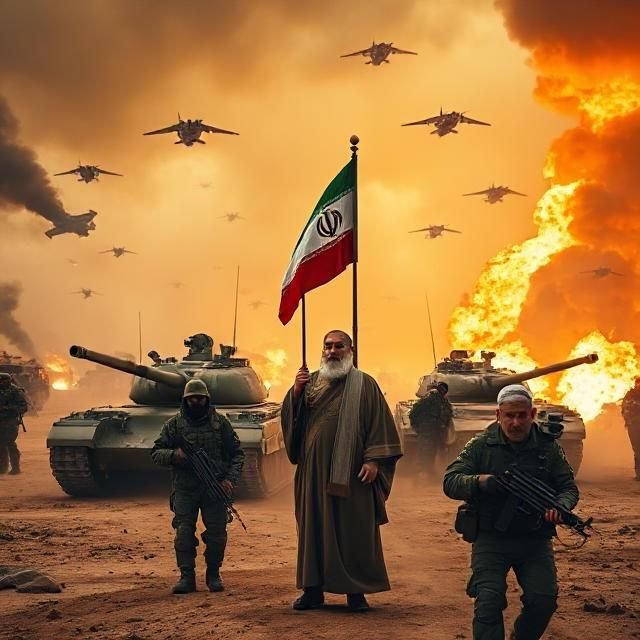
The term “air war” refers to military actions involving aircraft, drones, missiles, and air defense systems. Therefore, when applied to Iran and Israel, it reflects a complex pattern of indirect and direct aerial confrontations.
Iran News: Why Air Conflicts Matter
Air-based military activity is especially important because it can escalate quickly.
As a result:
- Airspace violations increase tension
- Missile interceptions gain attention
- Drone activity raises security alerts
- Military responses become faster
Consequently, air incidents often trigger broader political reactions.
Moreover, air warfare reduces reaction time for diplomacy, which increases the risk of miscalculation.
Iran News: Why Iran and Israel Are in Air-Based Tension
The tension between Iran and Israel is not new. However, air-related operations have intensified concerns in recent years.
Strategic Competition in the Region
Both countries view regional influence as a key national priority.
Therefore:
- Military preparedness continues
- Intelligence operations expand
- Defense systems improve
- Strategic messaging increases
As a result, competition extends into air and missile domains.
Regional Military Balance
The Middle East has multiple active military zones.
Consequently:
- Air defense systems are widely deployed
- Drone technology is increasingly used
- Missile capabilities are developing
- Surveillance operations are constant
Therefore, the region remains highly sensitive to aerial incidents.
Iran News: Iran’s Position in the Air Conflict Landscape
Iran plays a central role in regional security discussions.
Defense Strategy and Air Capabilities
Iran focuses on strengthening its defensive systems.
As a result:
- Air defense networks are expanded
- Drone technology is developed
- Missile systems are improved
- Strategic deterrence is emphasized
Therefore, Iran prioritizes defense readiness in response to regional threats.
Strategic Messaging
Iran often uses military readiness as a form of strategic communication.
Consequently:
- Statements reflect national security priorities
- Military exercises send signals
- Defense demonstrations increase awareness
- Regional actors adjust strategies
Therefore, military posture plays a political role as well.
Israel’s Air Defense Strategy
Israel is also a key player in air defense and regional military planning.
Focus on Protection Systems
Israel prioritizes protecting its airspace and population centers.
Therefore:
- Advanced air defense systems are deployed
- Rapid response systems are active
- Surveillance technology is used
- Intelligence operations are ongoing
As a result, Israel maintains a strong defensive posture.
Monitoring Regional Threats
Israel closely monitors developments in neighboring countries.
Consequently:
- Military intelligence remains active
- Airspace monitoring continues
- Strategic planning evolves
- Defense readiness is maintained
Therefore, regional surveillance is a major security focus.
Iran News: Recent Developments in Iran-Israel Air Tensions
Recent reports suggest increased aerial activity in the region.
Drone and Missile Activity
One of the most discussed elements is drone and missile movement.
As a result:
- Air defense systems are activated
- Military alerts increase
- Regional tensions rise
- Security monitoring intensifies
Therefore, drone warfare has become a key feature of modern conflict dynamics.
Air Defense Interceptions
Both sides reportedly focus heavily on interception systems.
Consequently:
- Missile defense systems are tested
- Airspace violations are monitored
- Military responses are triggered quickly
- Security coordination increases
Therefore, defensive actions play a central role.
Iran News: Regional Reactions to Air War Tensions
Neighboring countries are closely watching developments.
Concerns About Escalation
Many regional governments prefer stability.
Therefore:
- Diplomatic efforts increase
- Security alerts are raised
- Economic planning is reviewed
- Crisis prevention becomes a priority
As a result, regional actors encourage restraint.
Impact on Civil Aviation
Air tensions can affect civilian air traffic.
Consequently:
- Flight routes may change
- Aviation safety becomes a concern
- Airline operations adjust plans
- Travel disruptions may occur
Therefore, civil aviation remains sensitive to military developments.
Global Security Concerns
The international community is closely monitoring the situation.
Risk of Wider Conflict
Air-based incidents can escalate quickly.
As a result:
- Diplomatic pressure increases
- Military readiness is reviewed
- International warnings are issued
- Security alliances activate
Therefore, global leaders emphasize caution.
Role of Major Powers
Global powers often call for restraint.
Consequently:
- Diplomatic discussions continue
- Mediation efforts are suggested
- Security consultations expand
- International cooperation increases
Therefore, global involvement remains significant.
Iran News: Economic Impact of Iran-Israel Air Tensions
Military tensions often influence economic stability.
Energy Market Sensitivity
The Middle East is a key energy region.
Therefore:
- Oil prices may rise quickly
- Market uncertainty increases
- Energy supply concerns grow
- Investors react strongly
As a result, global markets remain sensitive.
Investment and Trade Risks
Economic confidence is affected by uncertainty.
Consequently:
- Investment decisions slow
- Business risks increase
- Trade planning becomes cautious
- Financial markets react
Therefore, stability remains important for Iranian economic growth.
Military Technology and Modern Air Warfare
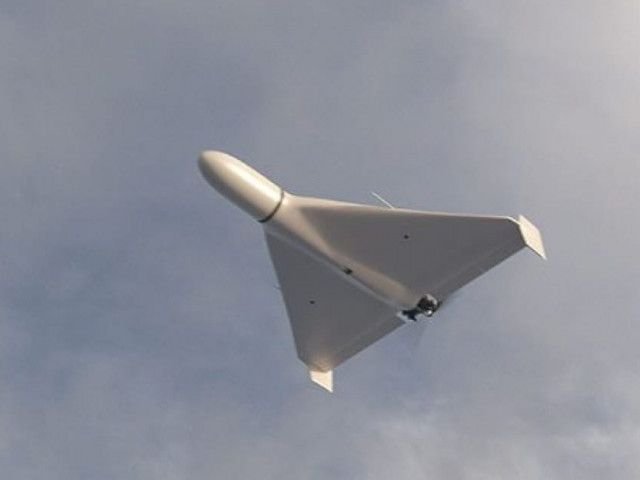
Modern air conflict is highly technology-driven.
Use of Drones
Drones are increasingly used in regional conflicts.
As a result:
- Surveillance increases
- Precision strikes become possible
- Defense systems adapt
- Military planning evolves
Therefore, drone technology plays a major role.
Air Defense Systems
Air defense is a critical part of modern security.
Consequently:
- Radar systems improve
- Missile interception increases
- Early warning systems expand
- Strategic protection strengthens
Therefore, air defense remains essential.
Diplomatic Efforts to Prevent Escalation
Despite tensions, diplomacy remains active.
Communication Channels
Diplomatic communication continues in different forms.
Therefore:
- Direct talks may be limited
- Indirect channels remain active
- International mediators participate
- Crisis discussions continue
As a result, dialogue remains possible.
Importance of De-escalation
Preventing escalation is a global priority.
Consequently:
- Governments encourage restraint
- International organizations intervene
- Negotiations are supported
- Conflict prevention is emphasized
Therefore, diplomacy plays a key role in stability.
Media Coverage and Public Awareness
The situation receives wide media attention globally.
Why Coverage Is High
Air war topics attract attention due to their urgency.
As a result:
- Breaking updates spread quickly
- Analysts provide interpretations
- Governments issue statements
- Public interest increases
Therefore, media coverage remains intense.
Importance of Reliable Information
Accurate reporting is essential.
Consequently:
- Verified sources are needed
- Context must be understood
- Misinformation must be avoided
- Balanced reporting is important
Therefore, responsible journalism is critical.
Key Risks in the Current Situation
Several risks continue to concern analysts.
Miscalculation Risk
One of the biggest dangers is misunderstanding.
As a result:
- Small incidents may escalate
- Military responses may increase tension
- Communication gaps may cause confusion
- Decisions may become reactive
Therefore, careful planning is essential.
Regional Spillover Risk
Conflict could affect neighboring countries.
Consequently:
- Borders may become unstable
- Trade routes may be disrupted
- Refugee concerns may increase
- Economic systems may be affected
Therefore, regional stability is fragile.
Future Scenarios for Iran-Israel Air Tensions
Several possible outcomes exist.
Scenario 1: Controlled Tension
If diplomacy and deterrence work:
- Air incidents remain limited
- Stability is maintained
- Communication continues
- Escalation is avoided
- Iran News
Therefore, controlled tension remains possible.
Scenario 2: Increased Skirmishes
If tensions rise:
- Air incidents may increase
- Defense systems may activate more often
- Regional instability may grow
- Diplomatic pressure may increase
Consequently, risk levels would rise.
Scenario 3: Wider Escalation
In a worst-case scenario:
- Conflict may expand
- Regional actors may become involved
- Global markets may react strongly
- Diplomatic efforts may intensify urgently
- Iran News
Therefore, escalation remains a serious concern.
Iran News: Why Iran News Remains Critical
Global attention continues because Iran is central to regional dynamics.
Strategic Importance
Iran influences many areas.
These include:
- Regional security
- Energy supply
- Diplomatic relations
- Military balance
Therefore, developments involving Iran are closely monitored.
Long-Term Global Impact
Iran-related developments affect the world.
As a result:
- Governments adjust policies
- Markets respond quickly
- Analysts study trends
- Media coverage continues
Therefore, international attention remains strong.
Conclusion
The Iran-Israel air war situation represents one of the most sensitive and closely watched geopolitical issues in the world today. Although direct full-scale war has not occurred, increasing aerial activity, drone operations, and missile defense responses have created a highly unstable environment. As a result, Iran News remains essential for understanding the evolving situation and its broader impact on regional and global security.
Moreover, the combination of military preparedness, strategic competition, and diplomatic efforts shows that the region is in a delicate balance. Therefore, even small incidents can have significant consequences if not managed carefully.
About The Author
