
Iran News: Understanding Middle East War
The Middle East has long been shaped by political rivalry, military competition, economic pressure, and deep disputes between regional powers. However, when tensions rise into open fighting, the effects can spread far beyond the countries directly involved.
For that reason, Iran News has become an important source of information for readers trying to understand the wider Middle East war. Iran is a major regional power, and its military strength, political relationships, nuclear activities, and links with regional groups all affect the security picture.
What Makes the Middle East War So Complex?
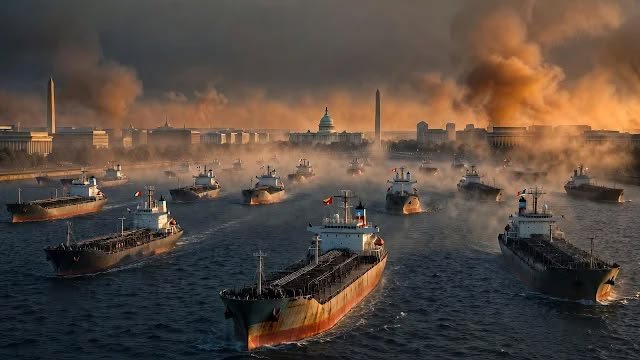
Instead, the region contains many countries with different interests. Iran, Israel, Saudi Arabia, the United Arab Emirates, Qatar, Iraq, Syria, Lebanon, Yemen, Egypt, Jordan, and others have different security concerns.
Furthermore, major outside powers have strong interests in the region.
The United States has long maintained military partnerships with several Middle Eastern countries. Russia has developed close ties with Iran and has played a major role in Syria. China has expanded economic and diplomatic relations across the region.
Therefore, a conflict involving Iran can quickly become an international issue.
Another problem is that conflicts often involve both states and non-state armed groups. This creates a complicated security environment because an attack by one group can lead to pressure on a government that may deny direct control over that group’s actions.
As a result, determining responsibility can become difficult.
Why Iran Is Central to the Regional Conflict
Iran is one of the most powerful countries in the Middle East.
It has a large population, significant energy resources, a long coastline, a major military structure, and strong political relationships across the region.
Iran also has ballistic missiles, drones, naval forces, air defenses, and other military capabilities.
However, Iran’s importance is not based only on weapons.
Its location is equally important.
Iran sits near the Persian Gulf and the Strait of Hormuz. The Strait is a major route for international energy shipments. Therefore, any serious conflict involving Iran can create concern about global oil and gas supplies.
Iran also has relationships with political and armed groups in several countries.
These relationships give Tehran influence beyond its borders. At the same time, they create additional risks because a conflict in one country can affect Iran’s wider security position.
This is why Iran News is followed closely by governments, investors, energy companies, and security analysts around the world.
Iran’s View of Regional Security
Iran generally presents its military strategy as a form of national defense and deterrence.
From Tehran’s perspective, the country faces threats from powerful military opponents. Therefore, Iranian leaders argue that strong defense capabilities are necessary to protect national sovereignty.
Iran has invested heavily in missiles, drones, air defenses, naval systems, and other technologies.
The country has also developed a strategy that does not depend entirely on traditional air power.
Instead, it uses several different capabilities at the same time.
For example, missiles can provide long-range strike options. Drones can support surveillance or attacks. Coastal systems can threaten ships. Air defenses can make attacks on strategic locations more difficult.
This combination is designed to make any military action against Iran more costly.
Nevertheless, deterrence can have two sides.
A strong military posture may discourage an enemy from attacking. However, it can also increase fear and encourage opposing countries to strengthen their own military capabilities.
The Role of Israel
Israel is one of the most important countries in understanding the Iran-related conflict.
The relationship between Iran and Israel has been hostile for decades. Their rivalry includes disputes over nuclear activities, regional influence, military capabilities, and support for opposing groups.
Israel considers Iran’s military and nuclear programs serious security concerns.
Iran, meanwhile, views Israel as a major regional threat.
The two countries have also been involved in indirect confrontation through regional partners, cyber operations, intelligence activity, and military actions.
Direct military exchanges can therefore carry a high risk.
A limited attack may lead to retaliation. Retaliation can then produce another response.
Consequently, a chain of actions can develop quickly.
This is one reason Iran News about Iran-Israel relations can have a major effect on international markets and diplomatic discussions.
The Role of the United States
The United States has a major military and diplomatic role in the Middle East.
Washington has strong relationships with Israel and several Arab states.
It also maintains military forces and security partnerships across the region.
The United States has imposed extensive sanctions on Iran and has repeatedly raised concerns about Iran’s nuclear activities, missile programs, and regional influence.
At the same time, Washington has reasons to avoid a large regional war.
A major conflict could threaten American personnel, regional allies, energy supplies, and international shipping.
Therefore, American policy often involves a difficult balance between deterrence and escalation control.
A stronger military response may discourage further attacks. However, it can also increase the risk of a wider conflict.
Iran’s Relationship With Gulf States
Gulf countries are deeply affected by tensions involving Iran.
Saudi Arabia, the United Arab Emirates, Qatar, Kuwait, Bahrain, and Oman all have major economic and security interests in the region.
Several Gulf states depend heavily on energy exports.
Therefore, they need stable maritime routes and secure infrastructure.
At the same time, Gulf governments have historically had different relationships with Tehran.
Some have viewed Iran as a major strategic rival. Others have pursued diplomatic engagement.
The restoration of diplomatic relations between Saudi Arabia and Iran in 2023 showed that regional rivals can also seek dialogue.
Such diplomatic efforts can reduce tensions.
However, major disagreements remain.
Why the Strait of Hormuz Matters
The Strait of Hormuz is one of the world’s most important energy routes.
It connects the Persian Gulf with the Gulf of Oman and the wider Arabian Sea.
Large volumes of oil and liquefied natural gas have historically passed through this waterway.
Therefore, a serious security crisis around the Strait could affect global energy markets.
Iran’s geographic position gives it a particularly important role in the area’s security.
Tehran has naval forces, coastal missile systems, fast boats, mines, drones, and other capabilities that could potentially be used during a conflict.
However, any serious disruption would also hurt Iran and other regional economies.
For that reason, the Strait is both a strategic tool and a major source of risk.
How War Can Affect Oil Prices
Energy markets respond quickly to uncertainty.
When traders believe that oil supplies could be disrupted, prices can rise.
However, the size of the increase depends on several factors.
First, markets consider how much supply is actually at risk. Next, they examine whether alternative routes or suppliers are available.
They also consider how long the disruption could last.
A short military incident may produce a temporary price increase. However, a prolonged conflict could create much greater pressure.
Higher oil prices can then affect transportation, manufacturing, farming, aviation, and household expenses.
Consequently, a regional conflict can create economic problems far from the battlefield.
This explains why Islamic World Updates can matter to people who have no direct connection to the Middle East.
The Nuclear Issue
Iran has stated that its nuclear activities are for peaceful purposes. However, the United States, Israel, and several other governments have raised concerns about the possibility that Iran could develop the ability to produce nuclear weapons.
The 2015 nuclear agreement created restrictions and monitoring arrangements for Iran’s nuclear program.
However, the United States withdrew from the agreement in 2018 and later restored broad sanctions.
Subsequent negotiations have struggled to restore a stable agreement.
The nuclear issue is important because military conflict and nuclear diplomacy can influence each other.
If tensions increase, diplomatic talks may become harder.
Conversely, successful negotiations could reduce military pressure.
Why Nuclear Tensions Can Increase War Risks
Nuclear facilities can become major points of concern during military crises.
If one country believes that an opponent is moving toward nuclear weapons capability, it may consider military action.
However, attacking nuclear facilities can create serious risks.
Facilities may be protected, underground, or located near populated areas.
Military strikes could also lead to retaliation.
Furthermore, attacks could make diplomatic solutions harder.
Therefore, the nuclear issue requires careful diplomacy.
Iran’s Missile and Drone Capabilities
Iran has invested heavily in missiles and drones.
These systems form an important part of its deterrence strategy.
Missiles can reach targets over significant distances. Drones can provide surveillance and attack capabilities.
Iran has also developed mobile missile systems, which can make them more difficult to locate.
Drones can sometimes be produced at lower cost than traditional aircraft.
Therefore, they provide a way to create military pressure without maintaining an extremely large modern air force.
However, missile and drone systems are not unstoppable.
Advanced air defenses, electronic warfare, fighter aircraft, and intelligence systems can detect and intercept many threats.
Thus, the effectiveness of these weapons depends on how they are used and what defenses they face.
Conclusion
The Middle East war is shaped by a large network of political, military, economic, and historical factors. Iran sits near the center of many of these issues because of its military capabilities, regional relationships, nuclear program, energy resources, and strategic location.
For readers following Iran News, the best approach is to examine verified information, compare different sources, and avoid treating predictions as confirmed events. Conflict reporting can change quickly, so careful judgment is essential.
About The Author
