
Crypto trading offers huge potential—but for most traders, it becomes a cycle of losses 😓. You enter a trade with confidence, only to see the price reverse. You follow signals, news, or hype, but results remain inconsistent.
Here’s the reality: losing trades are rarely about bad luck—they are the result of poor decisions, emotional reactions, and lack of proper data.
If you want to stop losing trades, you must stop guessing and start using crypto data online insights. Data-driven trading helps you understand market behavior, improve timing, and manage risk effectively.
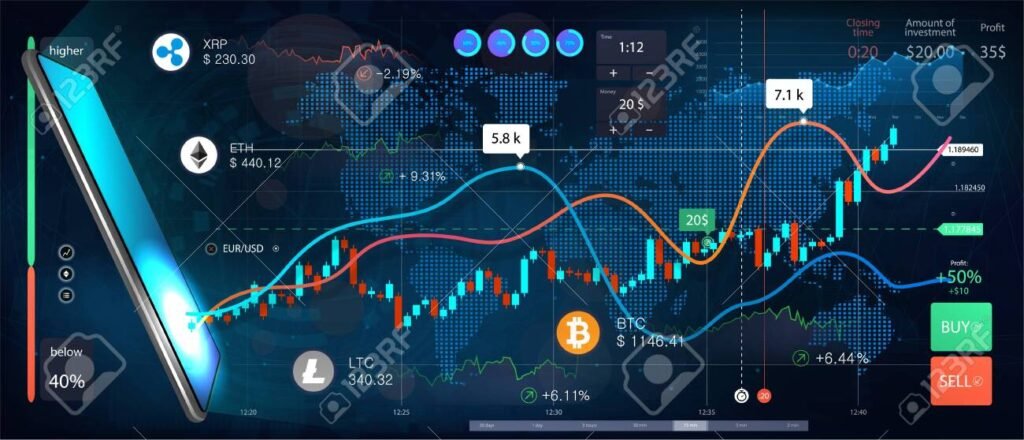
📊 What Is Crypto Data Online?
Crypto data online refers to real-time and historical information from cryptocurrency markets and blockchain networks.
Key Types of Data
- Price action 💹
- Trading volume 📊
- Market trends 📈
- Technical indicators ⚙️
- Order book data 📉
- On-chain analytics 🔗
- Market sentiment 😃😨
👉 This data gives you a clear picture of what the market is doing.
❌ Why Most Traders Keep Losing Trades
😰 Emotional Trading
Fear and greed drive bad decisions.
Examples:
- Buying at the top
- Selling at the bottom
👉 Result: Losses
❌ No Trading Plan
Without a plan, trading becomes random.
👉 Result: No consistency
📉 Ignoring Data
Trading without analysis leads to poor timing.
👉 Result: Weak trades
🔁 Overtrading
Too many trades increase mistakes.
👉 Result: More losses
⚠️ Poor Risk Management
No stop-loss or control leads to big losses. crypto data

🧠 How Crypto Data Online Insights Fix These Problems
🎯 Eliminates Guesswork
You rely on real data instead of emotions.
📈 Improves Timing
Better entry and exit points.
📊 Filters Bad Trades
Focus on high-probability setups.
🛡️ Reduces Risk
Protect your capital.
🔍 Builds Consistency
Follow a structured system.
🧰 Best Crypto Data Online Tools
Use reliable platforms for better insights:
- TradingView
- CoinMarketCap
- CoinGecko
- Glassnode
- CryptoQuant
📉 Key Data You Must Use
Price Action
Shows market direction.
Volume
Confirms strength.
Support & Resistance
Key entry and exit zones.
Indicators
Refine decisions.
On-Chain Data
Reveals large player activity.
🧠 Step-by-Step Trading System
Step 1: Identify Trend
Trade with the trend.
Step 2: Mark Levels
Find support and resistance.
Step 3: Confirm with Volume
Avoid weak setups.
Step 4: Use Indicators
Add confirmation.
Step 5: Enter Trade
Only when conditions align.
Step 6: Set Stop-Loss
Protect your capital.
💡 Advanced Strategies
🚀 Breakout Trading
Trade strong breakouts with volume.
📊 Swing Trading
Capture medium-term trends.
⚡ Scalping
Use fast data for quick trades.
🧠 Trading Psychology
Losing Mindset
- Emotional
- Reactive
Winning Mindset
- Data-driven
- Disciplined
⚠️ Risk Management Rules
- Risk 1–2% per trade
- Always use stop-loss
- Avoid high leverage
🔁 Daily Trading Routine
Morning
Analyze market
Midday
Find setups
Before Trade
Confirm signals
After Trade
Review results
📚 Continuous Improvement
- Track trades
- Learn from mistakes
- Refine strategies
❗ Common Mistakes to Avoid
- Trading without data
- Overtrading
- Emotional decisions
- Ignoring risk
📈 Building Consistency
Consistency comes from discipline.
👉 Follow your system
👉 Stick to your rules
👉 Trust your data
🔘 High-CTR CTA Buttons
👉 Start Trading Smarter Today 🚀
👉 Use Crypto Data Tools Now 📊
👉 Stop Losing Trades Instantly 💰
👉 Unlock Winning Strategies 🔥
🎯 Final Thoughts
Stopping losing trades is not about luck—it’s about using the right approach.
With crypto data online insights, you gain clarity, confidence, and control. Tools like TradingView, Glassnode, and CryptoQuant provide powerful insights that guide smarter decisions.
👉 The transformation is simple:
- Guessing ❌ → Data ✔️
- Emotion ❌ → Strategy ✔️
- Losses ❌ → Consistency ✔️
Start using crypto data today and turn your trading into a disciplined, profitable system 🚀💰
Season: Smart Divergence Trading Strategy
Divergence can signal hidden market reversals.
Types
- Bullish divergence → price falling, indicator rising
- Bearish divergence → price rising, indicator falling
Strategy
Use divergence as an early warning—not a direct entry signal.
Season: Consolidation Break Strategy
Markets often pause before big moves.
Signs of Consolidation
- Tight price range
- Decreasing volume
- Low volatility
Strategy
Wait for breakout with volume confirmation before entering.
Season: Trade Quality Over Quantity
More trades ≠ more profits.
Rule
- Focus on high-quality setups
- Avoid forcing trades
Result
Better win rate and reduced stress.
Season: Smart Capital Protection System
Your first goal is survival.
Rules
- Protect capital before chasing profits
- Cut losses quickly
- Stay disciplined
Season: Indicator Timing Strategy
Indicators lag behind price.
Problem
Late signals
Solution
Combine indicators with price action for better timing.
Season: High-Probability Entry Zones
Not all entry points are equal.
Best Zones
- Support in uptrend
- Resistance in downtrend
- Retests after breakout
Season: Market Volatility Control
Volatility can increase both risk and opportunity.
Strategy
- Reduce position size in high volatility
- Increase caution during news events
Season: Trade Confidence Checklist
Before entering any trade, ask:
- Is the trend clear?
- Is volume strong?
- Is risk controlled?
👉 If not, skip the trade.
Season: Smart Exit Discipline
Exits matter as much as entries.
Rules
- Don’t hold losing trades
- Take profits at key levels
- Avoid greed
Season: Final Elite Insight
The real difference between losing and winning traders is not knowledge—it’s execution and discipline.
Using tools like TradingView, Glassnode, and CryptoQuant gives you the data—but your success depends on how you use it.
👉 Winning traders follow rules
👉 They respect risk
👉 They trust data over emotions
When you combine crypto data online insights + structured strategy + discipline, you create a system that leads to consistent and long-term trading success 🚀💰
🔍 Adaptive Trading Strategy
No single strategy works forever.
Why Adaptation Matters
- Market conditions change
- Volatility shifts
- Trends evolve
Strategy
- Adjust your approach based on market behavior
- Switch between trend trading and range trading
- Stay flexible, not rigid
👉 Smart traders adapt—losing traders repeat mistakes.
📊 Range Market Trading Strategy
Not all markets trend. Sometimes they move sideways.
Range Characteristics
- Price moves between support and resistance
- No clear trend
- Frequent reversals
Strategy
- Buy at support
- Sell at resistance
- Avoid breakout trades in weak ranges
👉 Recognizing a range can save you from unnecessary losses.
🧠 Decision-Making Framework
Fast decisions often lead to mistakes.
Better Approach
Before every trade, ask:
- Is the trend clear?
- Is the setup strong?
- Is risk controlled?
👉 If any answer is “no,” skip the trade.
💡 Probability Thinking
Trading is not about certainty—it’s about probability.
Key Idea
Even the best setup can fail.
Strategy
- Focus on high-probability trades
- Accept losses as part of the process
- Stay consistent over many trades
👉 Success comes from long-term consistency, not single wins.
🔁 Weekly Performance Review
Daily reviews help—but weekly reviews build real growth.
Analyze
- Total trades
- Win/loss ratio
- Mistakes made
Improve
- Adjust strategy
- Remove bad habits
- Strengthen discipline
⚠️ Avoiding Burnout in Trading
Overtrading and stress can lead to burnout.
Signs
- Fatigue
- Frustration
- Impulsive decisions
Solution
- Take breaks
- Limit trades
- Focus on quality setups
👉 A clear mind makes better decisions.
🧠 Building Long-Term Confidence
Confidence doesn’t come from wins—it comes from consistency.
Build Confidence By
- Following your system
- Managing risk properly
- Tracking progress
👉 Confidence grows with discipline.
📈 Compounding Growth Strategy
Small gains can grow into large profits over time.
Example
- Consistent 2–5% gains
- Controlled losses
- Long-term growth
👉 Focus on steady progress, not quick wins.
🧰 Pro-Level Data Integration
Combine multiple insights for stronger decisions:
- TradingView → Technical analysis
- Glassnode → Blockchain data
- CoinMarketCap → Market overview
👉 Integration = stronger edge.
🎯 Ultimate Master Insight
At the highest level, trading is a process—not an event.
👉 Losing traders chase quick profits
👉 Winning traders build systems
👉 Losing traders rely on emotions
👉 Winning traders rely on data
👉 Losing traders quit after losses
👉 Winning traders learn and improve
🏁 Final Conclusion
If you truly want to stop losing trades, remember this:
👉 There is no shortcut
👉 There is no perfect strategy
👉 There is only discipline, data, and consistency
When you apply crypto data online insights + structured strategy + strong risk management, you transform your trading into a predictable and scalable system 🚀💰
About The Author
